Before we look at the newest trends, we need to clear the air and explain which renewable energy sources are currently used around the world.
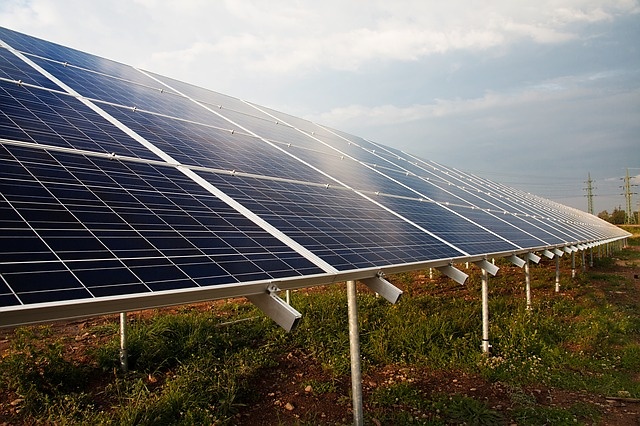
In the last year, solar energy production has spiked. Specialists have said that by 2024, the Sun will be accountable for 70% of all green energy. Thanks to the strict policies of the leading countries, almost 33% of all used energy is created by alternative “clean” sources.
Here are some recent stats to back up these claims:
The overarching goal for many countries remains to secure clean, stable electricity sources and achieve net-zero emissions by 2050— in line with the Paris Agreement and long-term climate targets. Policies and investments are increasingly aimed at accelerating renewable deployment and reducing dependence on fossil fuels.
The need for reliable and scalable renewable energy continues to grow as nations pursue ambitious climate and energy goals. Some key trends shaping the sector in 2026 include:
Renewable energy is on track to outpace coal and other fossil fuels as the largest source of electricity globally by 2025–2026, driven largely by rapid growth in solar and wind power.
Solar photovoltaics (PV) and wind energy remain the fastest-growing segments, consistently accounting for the vast majority of new renewable capacity additions each year. Solar power alone makes up the largest share of renewable expansion.
As renewable penetration increases, demand for grid-scale energy storage (especially batteries) is surging, driven by the need to stabilise variable renewable sources and support grid reliability.
Regional initiatives, such as ASEAN’s action plan to increase renewable electricity shares by 2030, reflect efforts to accelerate clean energy deployment and improve energy security across regions.
Despite the renewables boom, some countries — notably China — are still commissioning new coal power capacity for energy security purposes, even as clean energy investment grows rapidly.
Together, these developments illustrate both the dynamic progress and the remaining challenges in the global shift toward sustainable energy by 2026.
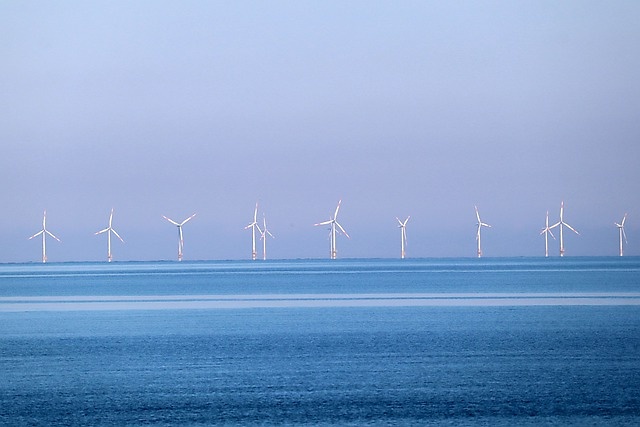
Offshore wind farms alone have the potential to meet our energy needs completely. That is why more and more companies start to invest, buy properties and develop wind plantations. To increase the capacity of offshore wind, governments all over the world are setting lofty goals. For instance, the UK government has promised to double the country's installed capacity to 50GW by 2030. Since most of the potential for new offshore wind is found in water depths too deep for conventional fixed-bottom wind turbines to operate, floating technology is needed to access these submerged locations. You can regularly spot companies at green energy trade fairs offering innovative technical solutions, luring investors with relatively small costs and potentially large return rates.
The North Sea will be the centre for constructing "energy islands," which will serve as hubs for producing renewable energy due to the concentration of resources and the level of collaboration between EU member states. These ground-breaking pieces of land concentrate the production of renewable energy on a natural or artificial island, and they use multipurpose interconnectors to send electricity to the grids of connected nations via high-voltage direct current (HVDC) subsea cables. Energy islands will allow offshore wind farms to transmit electricity more effectively. Enhancing the integration of energy generation from offshore sources with the power systems of connected countries will assist the sector's quick expansion.
Many countries take part in the battle to find the best green solutions. Here, we will mention the top three trade fairs that reflect these efforts.
Renewable Energy India Expo is one of Asia's most influential trade fairs for green energy. The show attracts more than 700 exhibitors and 40,000+ visitors. The 3-day event allows professionals and guests from all industries to meet and catch up on the latest trends, participate in various workshops and seminars and create strong partnerships. The expo focuses on essential topics such as the future of renewable energy, new technologies and their implementation. Solar energy is one of India's most widely spread green sources. As such, it is the central theme in most conferences and lectures.
The Shanghai International Green Architecture and Construction Materials Expo or ESBUILD is dedicated to showcasing innovative energy-saving materials and technologies. The show focuses on smart building solutions, like BMS systems and ways to transform the current construction industry into more "green". It is not only one of the most important gatherings in Asia, but it also has a huge international impact, with over 1,000 exhibitors and 80,000+ visitors from all corners of the world.
Intersolar Europe is the world's leading expo for solar energy. Thousands of exhibitors and visitors gather at the Messe München exhibition centre each year to participate in this 3-day event. The main topics discussed through the various conferences and meetings include photovoltaics, solar power plants, solar thermal technologies and different innovations in the sphere of renewable energy. Founded almost 30 years ago, Intersolar Europe is one of the most important platforms where professionals from the solar energy industry meet and exchange ideas and know-how.
Suppose you want to learn more about the global green energy trade fairs. In that case, you can check our list containing the biggest international expos dedicated to this industry.
Green energy is the future, and if you've decided to participate in this industry, be it only as a visitor at a major trade fair, you won't regret your decision. Fair Point can help you smooth your trade show journey by providing comfortable accommodation near the exhibition area. This way, you will save money and time for transportation and help reduce the CO2 emitted from the taxi or rent-a-car you will otherwise need to hire.